






Fighting Trademark Squatters in Vietnam: How Copyright Can Be a Powerful Weapon for Foreign Brand Owners
For many foreign businesses entering the Vietnamese market, one of the most frustrating discoveries is that their trademark has already been registered or applied for by a third party with no legitimate connection to the brand. Professional trademark squatters frequently exploit Vietnam’s first-to-file system by seeking protection for well-known foreign marks before the genuine brand owner enters the market.
While trademark-based arguments remain important, recent cases demonstrate that copyright can be an equally powerful tool for defeating bad-faith trademark applications in Vietnam.
A Practical Solution Beyond Traditional Trademark Rights
Trademark squatters often target foreign brands that have not yet secured trademark registrations in Vietnam. In such situations, proving prior trademark rights or well-known status can sometimes be difficult, especially when the brand has limited commercial activities in the country.
However, where the trademark incorporates logos, artistic designs, stylized lettering, calligraphy, mascots, or other creative elements, copyright protection may provide an alternative and highly effective basis for opposition.
Vietnamese law expressly prohibits the registration of trademarks that reproduce copyrighted works without authorization from the copyright owner.
Legal Basis Under Vietnamese Law
Article 73.7 of Vietnam’s Intellectual Property Law provides that signs containing copies of works, except where permitted by the owner of such works, are not eligible for trademark protection.
This provision offers a powerful remedy where a squatter has copied:
- Logos and graphic designs;
- Stylized word marks;
- Artistic calligraphy;
- Product packaging designs;
- Mascots and character designs;
- Applied art works generally used as brand identifiers.
Importantly, foreign copyright owners can often rely on copyright registrations obtained in their home countries.
International Copyright Protection Works in Vietnam
Vietnam is a member of the Berne Convention for the Protection of Literary and Artistic Works. As a result, copyrighted works created and protected in other Berne Convention member countries generally enjoy protection in Vietnam without the need for separate local registration.
This can be particularly valuable for overseas brand owners who may not yet have registered their trademarks in Vietnam but possess copyright registrations covering brand logos, stylized designs, or artistic elements.
Successful Case: “HYNTOOR and Rabbit Device”
Another notable example involved Vietnamese Trademark Application No. 4-2024-02515 for the mark “HYNTOOR and rabbit device,” filed by a third party.
The opposition was filed on behalf of Anhui Hyntoor Cosmetics Co., Ltd., the legitimate owner of the HYNTOOR brand and associated logo.
The copyright-based arguments focused on several important points:
1. Copyright Ownership: The HYNTOOR logo and rabbit design (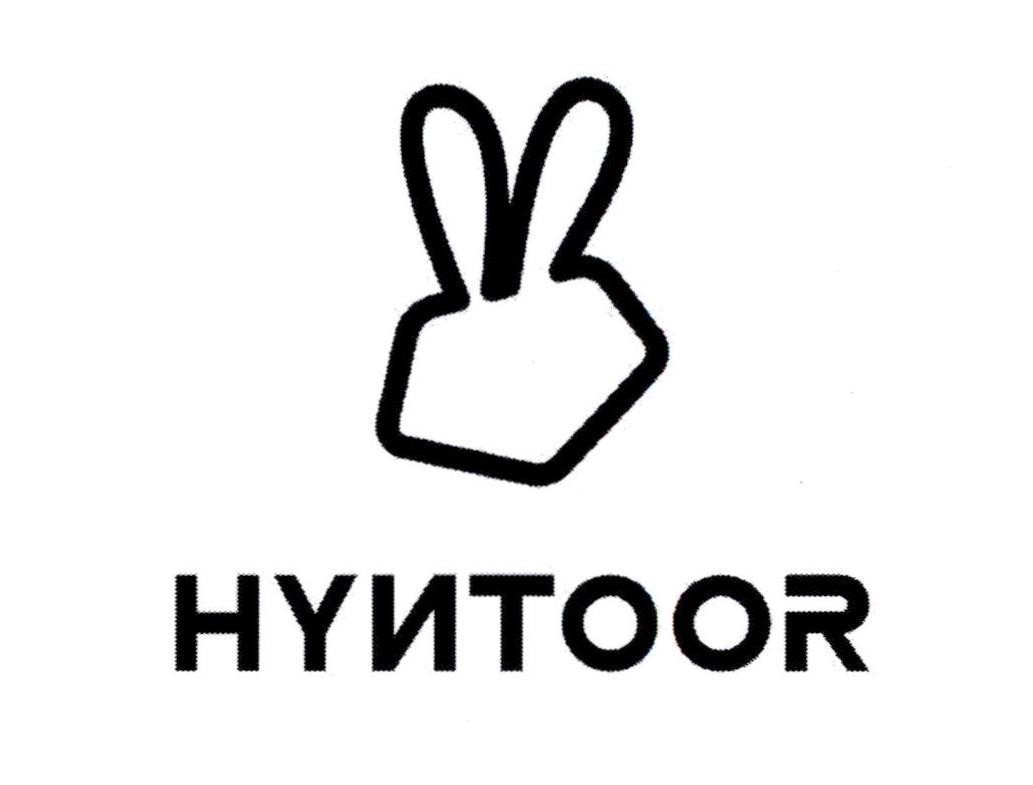 ) were protected as works of applied art in China.
2. Automatic Protection in Vietnam: Because both China and Vietnam are members of the Berne Convention, the copyrighted work enjoyed protection in Vietnam under Article 13.2 of Vietnam’s Intellectual Property Law.
3. Unauthorized Reproduction: The opposition demonstrated that the applied-for trademark reproduced or closely imitated the copyrighted artistic elements owned by the genuine brand owner.
After reviewing the evidence and the opposition, the Intellectual Property Office of Vietnam agreed that the applied-for mark was identical or confusingly similar to the copyrighted work of Anhui Hyntoor Cosmetics Co., Ltd.
On September 3, 2026, the Intellectual Property Office of Vietnam issued Notice No. 148056/SHTT-NH.IP, confirming that it had considered the opposition and accepted the arguments raised. The Office indicated its intention to refuse the trademark application, with the case proceeding toward a final refusal decision.
Why Copyright Arguments Are Increasingly Effective Against Trademark Squatting
Professional trademark squatters often believe that foreign companies will struggle to prove trademark rights in Vietnam. However, many overlook the fact that logos and stylized brand elements may already be protected by copyright.
Copyright-based attacks offer several advantages:
- Copyright protection often arises automatically upon creation.
- Foreign copyright registrations can serve as persuasive evidence of ownership.
- Berne Convention protection extends to works originating from other member countries.
- Copyright claims may succeed even where trademark registrations are absent in Vietnam.
- Evidence of direct copying can strengthen allegations of bad faith.
When copyright evidence is combined with trademark, unfair competition, and bad-faith filing arguments, the chances of defeating a squatter’s application increase significantly.
Practical Recommendations for Foreign Brand Owners
If you discover that a third party has filed or registered your trademark in Vietnam, you should promptly review whether your brand contains copyrightable elements such as: Logos, Graphic devices, Packaging artwork, Character designs, Stylized scripts, Calligraphy, Applied art works.
You should also gather:
- Copyright registration certificates;
- Original creation records;
- Historical use evidence;
- International registrations;
- Evidence demonstrating the similarity between your copyrighted work and the disputed trademark.
Early action is critical because opposition and invalidation proceedings are generally more effective and less costly than waiting until the squatter obtains enforceable trademark rights.
Conclusion
The recent successes involving Anhui Hyntoor Cosmetics Co., Ltd. demonstrate that copyright can be a highly effective weapon against trademark squatting in Vietnam. Even when a foreign brand owner lacks prior trademark registrations in Vietnam, copyright protection, particularly for logos and artistic brand elements, may provide a strong legal basis to block or invalidate bad-faith trademark applications.
For foreign trademark owners facing squatters in Vietnam, the key lesson is clear: do not limit your strategy to trademark law alone. A well-supported copyright claim may ultimately become the decisive factor in recovering your brand rights and preventing unauthorized registrations.
QUAN, Nguyen Vu | Partner, IP Attorney
Related Articles:
- Brompton – When a Folding Bicycle Becomes a “Work” – The Judgment of the Court of Justice of the European Union
- From Europe to Vietnam – Three Questions for Determining the Copyright Eligibility of Functional Products as Works of Applied Art
- Cancellation of Bad Faith Trademark Registration in Laos: The PINDUODUO Case
- Overcoming the Territoriality Trap: How FUMARI Blocked a Bad-Faith Trademark Filing in Laos Without Local Registration
- Justice for “Foellie”: How KENFOX Invalidated a Bad-Faith Filing & Halted a Retaliatory Campaign of IP Abuse?
- Registering a Trademark in Bad Faith in Vietnam: How to Prove the Applicant’s Intentions and Motives
- Trademark Refusal in Vietnam: What Strategy Enabled the “Three-Circle” Mark to Overcome a Likelihood-of-Confusion Objection?
- “Bad Faith”, “Conflict of Rights”, and “IP Abuse” in Vietnam: What Lessons Can Be Drawn from the “Foellie” Trademark Dispute?
- A court case concerning well-known trademark “X-Men” between Marvel Characters Inc. and the Vietnamese applicant
- Successful Raid Against Trademark Infringement of LACTOMASON: A Significant Victory for KENFOX and Market Surveillance Team No. 1